
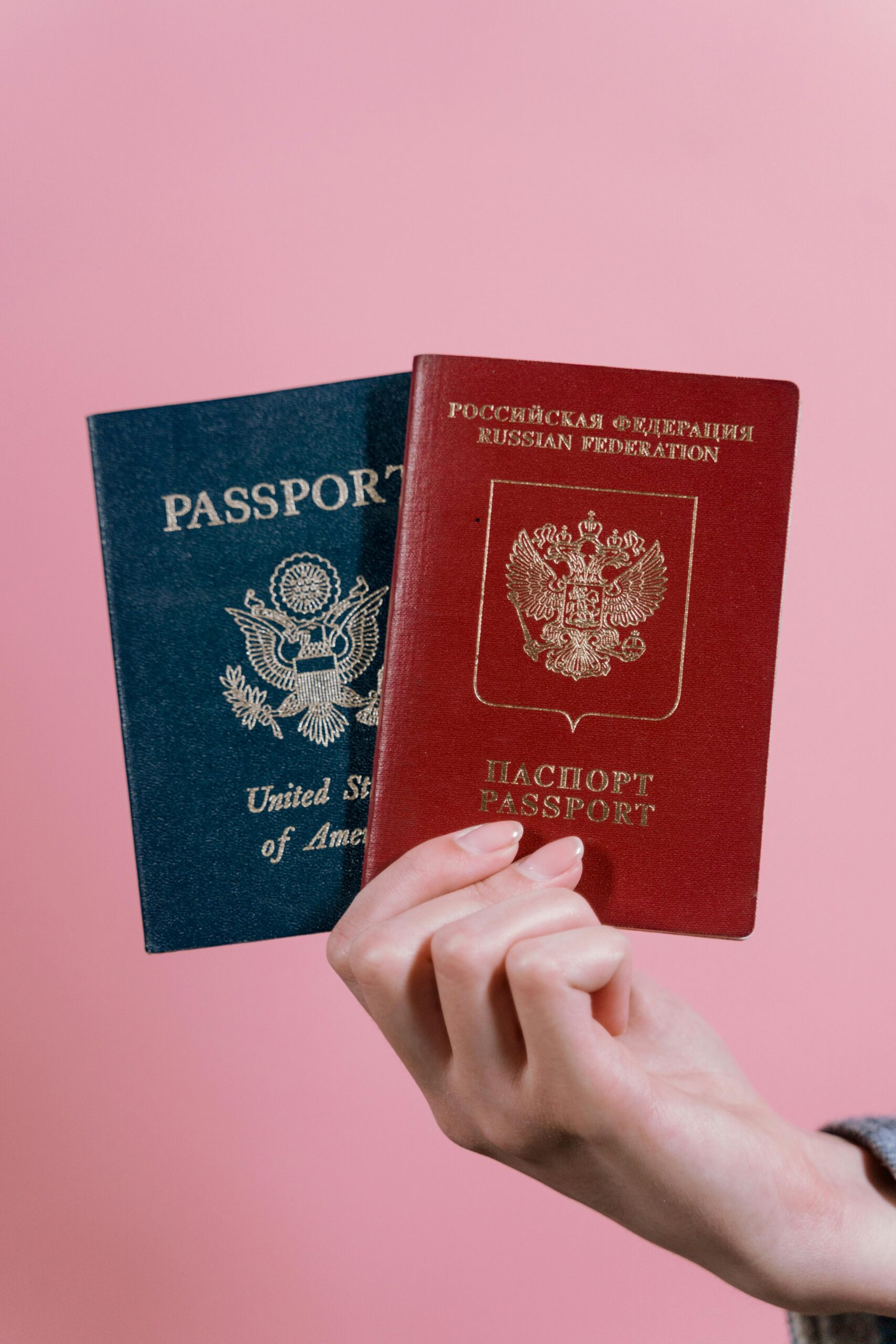
A visa interview can be one of the most important stages of an international travel, study, work or immigration application. Although the exact procedure varies by country and visa category, applicants are generally expected to provide truthful information, demonstrate that they meet the requirements of the visa they are seeking, and answer questions consistently with their application and supporting documents.
Good preparation is therefore more than memorizing answers from a list of common visa interview questions. You need to understand your application, know the purpose of your proposed trip, be familiar with your finances and supporting documents, and explain your plans clearly.
This guide explains how to prepare for a visa interview, what documents to review, how to answer common questions, what mistakes to avoid, and what may happen after the interview.
Important: Visa requirements are different from one country and visa category to another. Use this guide as a preparation framework, but always confirm the current requirements on the official immigration, embassy or consulate website responsible for your application.
What Is a Visa Interview?
A visa interview is a conversation between an applicant and a consular or immigration officer as part of a visa application process where an interview is required.
The purpose is not simply to test whether you can answer questions confidently. Depending on the visa category, the officer may need to establish whether your circumstances, documents, stated purpose and other information support your eligibility.
For example, U.S. student-visa applicants may be asked to provide evidence concerning academic preparation, their ability to pay educational and living expenses, and their intention to depart the United States after completing their course. The U.S. Department of State also states that consular officers may request additional documentation depending on the applicant’s circumstances. (Travel State)
Other countries and visa categories use different legal requirements and procedures. The important point is that a visa interview should be approached according to the specific visa category and country involved, rather than as a universal test with identical questions everywhere.
The safest approach is therefore to prepare around your specific visa category and the official instructions provided by the relevant immigration authority.
What Does a Visa Officer Look At?
The exact assessment depends on the immigration system and visa category, but several areas commonly matter.
1. Your Stated Purpose
You should be able to explain why you are travelling and what you intend to do.
A student should understand the proposed course and institution. A visitor should understand the purpose and duration of the trip. A worker should know the employer, position and employment arrangements.
Your explanation should also correspond with the information already submitted in your application.
2. Your Application
Review every important detail in the application you submitted.
Pay attention to:
- education history
- employment history
- addresses
- travel history
- family information
- dates
- financial information
- sponsor details
- institution or employer information
- previous visa applications
- previous refusals
An applicant who cannot explain basic information contained in their own application may create unnecessary questions.
Australia’s Department of Home Affairs, for example, advises student-visa applicants to check that names, dates of birth and other application information are correct before submitting their applications. (Immigration and citizenship Website)
3. Your Supporting Evidence
Documents should support the information you provide rather than contradict it.
For example, if you state that a parent is financing your education, you should understand the sponsor’s occupation, relationship to you and the legitimate source of the funds being used.
Likewise, an applicant travelling for employment should understand the important details contained in the employment offer or contract.
4. Your Financial Circumstances
Financial requirements vary significantly between countries and visa categories.
For a U.S. student visa, for instance, a consular officer may request evidence showing how the applicant will pay educational, living and travel costs. (Travel State)
The important lesson is not simply to produce a bank statement. You should understand the source of the funds, the person responsible for paying expenses and how the financial evidence relates to your proposed trip, studies or employment.
5. Your Eligibility for the Visa Category
The most important question is not whether you can give a polished interview. It is whether you actually meet the applicable requirements.
That is why truthful, consistent and relevant answers are more valuable than memorized speeches.
How Visa Interviews Differ by Visa Type
Visa interview preparation should reflect the reason you are travelling.
Student Visa Interview
A student-visa applicant should be prepared to explain:
- why they selected the course
- why they selected the institution
- why they selected the destination country
- how the course relates to previous education or experience
- how tuition and living expenses will be paid
- who is sponsoring the education, if applicable
- where they intend to live
- what they understand about the course
- what they intend to do after completing the program
- any significant education or employment gaps
- previous international study or visa history
Country-specific requirements can be particularly important here.
For Australia, student visa applications lodged from 23 March 2024 are assessed under the Genuine Student (GS)requirement. The Australian Department of Home Affairs says applicants must demonstrate that they are genuine students and understand that studying in Australia is the primary reason for applying for the student visa. The assessment can consider the applicant’s circumstances, immigration history and other relevant matters. (Immigration and citizenship Website)
The U.S. student-visa process similarly requires applicants to prepare core documents such as the DS-160 confirmation, passport, fee receipt where applicable and Form I-20. Additional evidence may concern academic preparation, intention to depart after study and the ability to pay educational, living and travel costs. (Travel State)
Visitor or Tourist Visa Interview
A visitor should be ready to explain:
- the purpose of the trip
- intended length of stay
- planned activities
- accommodation
- who is paying for the trip
- employment or other current circumstances
- previous travel
- relevant family or social ties
- why the proposed timing makes sense
Do not invent an itinerary simply because you believe it sounds more convincing. Your explanation should correspond with your actual plans and application.
For U.S. visitor visas, the Department of State advises applicants to review the specific instructions of the embassy or consulate where they will apply and prepare the required documentation before the interview. (Travel State)
Work Visa Interview
Work-visa preparation should focus on the employment relationship.
Review:
- employer’s name
- job title
- job duties
- salary
- work location
- employment contract
- qualifications
- relevant professional experience
- recruitment process
- employer sponsorship
- intended start date
- information contained in your application
An applicant should know enough about the proposed position to explain why the employment arrangement is genuine and how their qualifications relate to the role.
Family or Immigrant Visa Interview
Family-based applicants may need to understand details concerning:
- the petitioner or sponsor
- relationship history
- marriage or family relationship where applicable
- previous marriages
- children
- financial sponsorship
- supporting civil documents
- immigration history
- previous visa applications
The precise evidence depends on the immigration category.
For U.S. immigrant-visa applicants in Accra, for example, the embassy instructs applicants to bring required original documents to the interview and warns that missing documents can delay the case. (Travel State)
Business Visa Interview
Business travellers should understand:
- the purpose of the business trip
- meetings or events they intend to attend
- the companies involved
- who invited them
- who will pay for the trip
- intended travel dates
- accommodation
- expected activities during the visit
Keep the explanation consistent with the activities permitted under the visa category.
How to Prepare for a Visa Interview Step by Step
Step 1: Read the Official Visa Requirements
Start with the immigration authority or embassy responsible for your application.
Do not rely exclusively on blogs, social-media videos or interview-question lists because requirements can change.
For U.S. student visas, the Department of State specifically directs applicants to review the instructions of the embassy or consulate where they will apply because procedures can vary by location. (Travel State)
Step 2: Read Your Application Again
Go through the application from beginning to end.
Create a personal timeline containing:
- education
- employment
- travel
- addresses
- major financial events
- previous applications
- current plans
This makes it easier to identify information that an officer could ask you to explain.
Step 3: Understand Your Visa Category
Knowing that you applied for a “student visa” is not enough.
Understand the specific conditions and purpose of your visa category.
A student should know the course and institution. A worker should understand the employment offer. A visitor should know the actual reason for the visit.
Step 4: Prepare Your Documents
Separate your documents into categories instead of carrying an unorganized collection of papers.
A useful structure is:
Identity Documents
- passport
- application confirmation
- photographs where required
- interview appointment information
- national identification documents where applicable
Application Documents
- visa application confirmation
- appointment letter
- payment receipt where applicable
- biometric documentation where applicable
Purpose-of-Travel Documents
- admission letter
- employment documents
- invitation letter
- itinerary
- accommodation evidence
- relationship documents
Financial Documents
- bank statements
- proof of income
- employment evidence
- scholarship documentation
- sponsor documents
- tuition-payment evidence where relevant
Additional Supporting Evidence
- academic records
- professional qualifications
- civil documents
- police certificates where required
- medical documents where required
Do not assume this is a universal checklist. The required documents depend on the country, visa category and individual circumstances.
For example, the U.S. Department of State lists specific core documents for student-visa applicants and explains that additional documentation may be requested. (Travel State)
Step 5: Check Every Document for Consistency
This step is often overlooked.
Compare the information across your:
- passport
- application form
- admission letter
- employment documents
- bank statements
- sponsor information
- itinerary
- accommodation details
- previous visa applications
Check names, dates, addresses, job titles, salaries, school information and financial figures.
If something has legitimately changed since you submitted an application, understand how to explain the change rather than attempting to conceal it.
Step 6: Understand Your Finances
You should know where your money is coming from and how your proposed trip, studies or settlement will be funded.
If another person is sponsoring you, understand:
- who the sponsor is
- your relationship with the sponsor
- the sponsor’s occupation or source of income
- what expenses they are covering
- the evidence supporting the sponsorship
Never invent a source of funds.
Sudden or unusual transactions should also be understood and supported by legitimate evidence where relevant.
Step 7: Practice Without Memorizing
Practice answering questions aloud.
The objective is not to memorize a paragraph word-for-word. A memorized speech can become difficult to adapt when an officer asks a slightly different question.
Instead, remember the key facts and explain them naturally.
A useful structure is:
Direct answer → brief explanation → stop.
For example:
Question: Why did you choose this university?
Weak answer:
“Because it is a very good university.”
Stronger answer:
“I chose it because the program includes modules in data analytics and machine learning that fit my previous studies and career plans.”
That answer is specific without becoming unnecessarily long.
Visa Interview Documents: What You Should Review
The exact document list must always come from the relevant government or embassy.
Nevertheless, applicants can use several broad categories when preparing.
Passport and Identity Documents
Check:
- passport validity
- name spelling
- date of birth
- passport number
- previous passports where relevant
- photographs where required
Make sure the information corresponds with your application.
Education Documents
Student applicants may need to review:
- admission letter
- academic transcripts
- certificates
- diplomas or degrees
- test results where required
- scholarship documents
- Form I-20 for eligible U.S. student-visa applicants
The U.S. Department of State specifically identifies academic preparation evidence as possible additional documentation for student-visa interviews. (Travel State)
Employment Documents
Work-related applicants should understand:
- employment contract
- offer letter
- job description
- salary
- employer details
- professional qualifications
- relevant work experience
Financial Documents
Depending on the visa, evidence may include:
- bank statements
- salary records
- tax documents
- scholarship letters
- sponsor evidence
- education loans
- proof of tuition payments
The document itself is not the entire story. You should understand what the document demonstrates and how it relates to your application.
Common Visa Interview Questions
The exact wording of questions differs between officers, countries and visa categories.
Rather than trying to predict every possible question, prepare around the major subjects an officer may need you to explain.
General Visa Interview Questions
You may encounter questions such as:
- Why are you travelling?
- Why did you choose this country?
- How long do you intend to stay?
- Where will you stay?
- Who is paying for your trip?
- What do you currently do?
- Have you travelled internationally before?
- Do you have relatives in the destination country?
- Have you previously applied for a visa?
- Have you ever had a visa refused?
- What will you do after your trip?
- Why are you travelling at this particular time?
The exact questions will vary. Preparing for the underlying issues is more useful than trying to predict the precise wording.
Student Visa Interview Questions
Why Did You Choose This Course?
Explain the genuine connection between the program, your previous education or experience and your future plans.
Why Did You Choose This University?
Mention specific factors that influenced the decision, such as curriculum, specialization, facilities, academic structure or other genuine considerations.
Why Do You Want to Study in This Country?
Your answer should demonstrate that you understand the academic reasons for the choice rather than relying solely on general statements about the country.
Who Is Paying for Your Education?
State whether you are self-funded, receiving a scholarship, supported by a parent or another sponsor, or using another legitimate funding arrangement.
How Much Will Your Education Cost?
Know the relevant tuition and estimated living expenses contained in your application or official documentation.
What Will You Do After Graduation?
Give a truthful explanation of your career plans. Do not manufacture an answer simply because you think a particular response will guarantee approval.
Visitor Visa Interview Questions
Possible questions include:
- Why are you visiting?
- Who are you visiting?
- Where will you stay?
- How long will you remain there?
- Who will pay for the trip?
- What do you do in your home country?
- What places do you intend to visit?
- Have you travelled abroad before?
- When do you intend to return?
- Why are you travelling now?
Your answers should correspond with the actual purpose and circumstances of your trip.
Work Visa Interview Questions
Prepare for questions about:
- your employer
- your job title
- your salary
- your responsibilities
- your qualifications
- previous experience
- work location
- employment contract
- start date
- recruitment process
- sponsorship arrangements
Read your employment documents carefully before the interview.
Family or Immigrant Visa Interview Questions
Depending on the visa category, applicants may need to explain:
- how they know the petitioner or sponsor
- the history of their relationship
- marriage or family details
- where they will live
- the sponsor’s circumstances
- previous relationships where relevant
- children and dependants
- previous immigration applications
- financial sponsorship
Answer these questions truthfully and consistently with your application.
What Makes a Visa Interview Answer Strong?
A strong answer is generally:
Direct
Answer the question that was asked.
Specific
Use relevant facts rather than vague statements.
Consistent
Your response should not conflict with your application or supporting documents.
Truthful
Never manufacture information to make your application sound stronger.
Concise
Give enough information to answer the question without turning every response into a long speech.
Relevant
Avoid unrelated personal stories unless the officer asks for more information.
How to Handle Difficult Visa Interview Questions
Not every question will be easy.
If You Have a Previous Visa Refusal
Do not hide it if you are required to disclose it.
Review the previous refusal, understand the reason given and be prepared to explain what has changed since that application.
If You Have an Education Gap
Prepare a simple chronological explanation.
Explain what you were doing during the period rather than becoming defensive about the gap.
If You Have an Employment Gap
Use the same principle.
Provide a truthful explanation supported by your circumstances and documents where appropriate.
If Someone Else Is Funding You
Know the sponsor’s relationship to you and understand the legitimate source of the money.
You should also know which expenses the sponsor is covering.
If You Have Relatives in the Destination Country
Answer truthfully and consistently with your application.
Having relatives does not justify hiding them from an immigration authority.
If You Have Never Travelled Abroad
Do not invent previous trips.
Lack of international travel history is very different from fraudulent travel history.
If Your English Is Not Perfect
Focus on understanding the question and communicating the answer clearly.
You do not need to use complicated vocabulary to demonstrate that you are a genuine applicant.
If you genuinely do not understand a question, politely ask the officer to repeat or clarify it.
Financial Evidence: What You Should Understand
Financial preparation deserves special attention because many visa categories require applicants to demonstrate that they can meet particular expenses.
Depending on the visa, relevant evidence may include:
- personal savings
- salary or employment income
- scholarship awards
- education loans
- sponsor income
- bank statements
- tuition payments
- accommodation payments
- business income
- other legitimate financial resources
The important issue is not simply having a large bank balance.
You should be able to explain where the money came from, who controls it, what it is intended to cover and how the evidence relates to your application.
For student visas, financial requirements can be specific to the destination and individual circumstances. U.S. student-visa guidance, for example, states that additional evidence may be requested to establish how the applicant will pay educational, living and travel costs. (Travel State)
Common Visa Interview Mistakes
Memorizing Scripted Answers
Memorized responses can sound unnatural and may fail when the question changes.
Giving Unnecessarily Long Answers
A longer answer is not automatically a stronger answer.
If the officer asks a simple question, begin with the direct answer rather than giving an unrelated story.
Contradicting Your Application
Even an accidental inconsistency can create questions about the reliability of your information.
Review your application before the interview so that you understand what you submitted.
Not Knowing Your Documents
If you submitted an admission letter, employment contract or financial evidence, you should understand the important information contained in it.
Giving Vague Answers
Statements such as “I just like the country” rarely explain the actual purpose of an application.
Specific, truthful reasons are much more useful.
Hiding Important Information
Never assume that concealing a relevant fact will make your application stronger.
Using Fraudulent Documents
False or misleading information can have serious immigration consequences.
For example, Australian immigration guidance warns applicants to provide correct information and evidence, while the Department of Home Affairs advises applicants to check their information carefully before submitting a student-visa application. (Immigration and citizenship Website)
Treating Online Advice as Official Policy
Visa advice found on social media can be outdated, incomplete or specific to a different visa category.
Always verify important requirements against the relevant government source.
What Should You Wear to a Visa Interview?
Choose clean, neat and appropriate clothing.
You do not need expensive designer clothing or an elaborate outfit.
The practical goal is to appear presentable and professional while remaining comfortable enough to communicate naturally.
There is no special outfit that guarantees visa approval.
Your eligibility, application and supporting evidence matter much more than expensive clothing.
Visa Interview Body Language and Communication
Professional communication matters more than trying to perform a perfect set of body-language techniques.
During the interview:
- listen carefully
- allow the officer to finish the question
- answer clearly
- maintain normal eye contact
- remain calm
- avoid unnecessary arguments
- ask for clarification when necessary
- correct genuine mistakes honestly
- avoid exaggerated gestures
- do not invent information
There is no universal “body language trick” that guarantees visa approval.
Eligibility and the credibility of your application matter far more than attempting to manipulate an officer through rehearsed gestures.
What to Do on the Day of the Interview
Prepare everything the night before.
Before Leaving
Check:
- passport
- appointment confirmation
- required documents
- payment receipt where applicable
- photographs where required
- supporting evidence
- directions to the embassy or interview location
Allow enough time to reach the location without unnecessary stress.
At the Interview Location
Follow the security and entry instructions provided by the relevant embassy or visa centre.
Do not assume that you can bring every electronic device or personal item into an embassy.
Embassy-specific instructions can be strict. For U.S. immigrant-visa interviews in Accra, for example, applicants are given specific pre-interview instructions and are told to bring required original documents; missing documents can delay the case. (Travel State)
Always check the instructions for the specific location where your interview will take place.
What Happens During the Interview?
The exact process differs by country and visa category.
In a typical interview setting, you may need to:
- Present your identification and required documents.
- Complete security or administrative procedures.
- Wait for your interview.
- Answer questions from the consular or immigration officer.
- Provide additional documentation if requested.
- Receive instructions concerning the next stage of processing.
For U.S. student visas, digital fingerprints may be taken as part of the application process, although the timing can vary by location. (Travel State)
The interview itself may be brief. A short interview does not automatically mean that something is wrong, just as a long interview does not guarantee approval.
What Happens After a Visa Interview?
An interview does not always produce an immediate passport or visa decision.
Depending on the country and visa category, possible outcomes can include:
- approval
- refusal
- request for additional documents
- administrative processing
- further review
- instructions to complete another step
For U.S. student visas, the State Department states that an application may require further administrative processing after the interview and that the consular officer will inform the applicant if this is necessary. (Travel State)
A request for additional information should not automatically be interpreted as a refusal.
Follow the instructions supplied by the responsible immigration authority and provide any requested information through the specified channel.
What If Your Visa Is Refused?
Read the official refusal notice carefully.
Do not immediately assume that applying again with the exact same information will solve the problem.
First identify:
- the stated reason for refusal
- whether circumstances have changed
- whether documents were missing
- whether financial evidence was insufficient
- whether your eligibility has changed
- whether the visa category remains appropriate
A new application should be based on your genuine circumstances and the applicable requirements rather than simply changing answers to make them sound more convincing.
Where a refusal notice provides a specific legal basis or further instructions, use those instructions when deciding what to do next.
Visa Interview Preparation by Country
Visa interview procedures are not identical around the world.
United States
U.S. applicants should follow the instructions of the embassy or consulate where they will apply.
The Department of State says that the order of application steps and specific instructions can vary by location. It also generally advises applicants to schedule nonimmigrant visa interviews in the country where they live, subject to the applicable rules and exceptions. (Travel State)
Student applicants should pay particular attention to the DS-160, Form I-20, academic evidence, financial evidence and other documentation relevant to their circumstances. (Travel State)
Canada
Canadian applicants should use Immigration, Refugees and Citizenship Canada’s current instructions for their specific application.
Requirements can differ according to the visa or permit being requested, the applicant’s circumstances and the location from which the application is made.
Rather than relying on a generic Canada visa interview checklist, verify the current requirements through the official IRCC website before attending an appointment.
Australia
Student applicants should understand the current Genuine Student requirement rather than relying on older advice referring to the Genuine Temporary Entrant requirement.
Australia states that the GS requirement applies to student visa applications lodged on or after 23 March 2024. The assessment considers matters including the applicant’s circumstances, immigration history and whether the applicant is genuinely seeking to enter and stay as a student. (Immigration and citizenship Website)
The Australian application process also asks applicants to address their current circumstances, reasons for choosing their course and provider, understanding of studying and living in Australia, and how completing the course will benefit them. (Immigration and citizenship Website)
United Kingdom, Ireland and Schengen Countries
Requirements and interview practices can vary according to visa category and individual circumstances.
For these destinations, applicants should check the official immigration authority, embassy or consulate responsible for their application rather than relying on a generic interview checklist.
Visa Interview Preparation Checklist
Before your interview, make sure you can confidently explain:
- Your reason for travelling
- Your visa category
- Your intended travel dates
- Your accommodation
- Your education or employment situation
- Your financial arrangements
- Your sponsor, if applicable
- Your institution or employer, if applicable
- Your supporting documents
- Your previous travel history
- Any previous visa refusal
- Any significant education or employment gaps
- Your plans after the trip, study or employment
- Information contained in your application
- Any unusual or potentially confusing circumstances in your case
Frequently Asked Questions
How Long Should a Visa Interview Answer Be?
There is no universal number of seconds.
Give a direct answer containing the relevant information, then stop unless the officer asks a follow-up question.
Should I Memorize Visa Interview Answers?
No.
Understand your application and practice explaining the facts naturally instead of memorizing a script.
Can I Take Supporting Documents Even If They Were Not Specifically Requested?
That depends on the instructions for your visa category and interview location.
Carry documents that the official authority requires or recommends, but do not assume that every document on an internet checklist is mandatory.
What If I Do Not Understand a Question?
Politely ask the officer to repeat or clarify it.
Guessing can create an inaccurate answer.
What If My Information Has Changed Since I Submitted My Application?
Do not conceal the change.
Follow the applicable instructions and explain the situation truthfully if asked.
Does Having a Large Bank Balance Guarantee Visa Approval?
No.
Financial evidence is only one part of many visa decisions.
Requirements vary by country and visa category.
Can a Previous Visa Refusal Prevent Me From Getting Another Visa?
A previous refusal does not automatically answer whether a future application will succeed.
The relevant question is why the previous application was refused and whether the current application meets the applicable requirements.
Is Visa Interview Preparation the Same for Every Country?
No.
Immigration laws, interview procedures, document requirements and eligibility criteria differ.
Final Tips for a Successful Visa Interview
Approach the interview as an opportunity to clearly explain a genuine application rather than as a performance that requires perfect answers.
Review your application carefully. Understand your documents. Know your finances. Practice explaining your plans without memorizing a script.
Prepare for questions about anything unusual in your background, including gaps, previous refusals or sponsorship arrangements.
Most importantly, never manufacture information simply because you believe it will improve your chances.
The strongest preparation is built around accuracy, consistency and a clear understanding of the visa requirements that apply to your particular situation.
Because immigration rules can change, verify the final document checklist, interview instructions, fees and eligibility requirements directly with the relevant government authority or embassy before attending your appointment.
Official Sources to Check Before Your Interview
- U.S. Department of State – visa and student-visa guidance
- U.S. Embassy or Consulate instructions for the location of your interview
- Immigration, Refugees and Citizenship Canada (IRCC)
- Australian Department of Home Affairs
- The official immigration authority or embassy for your destination country
1 thought on “How to Prepare for a Visa Interview in 2026: Questions, Documents, Answers and Expert Tips”